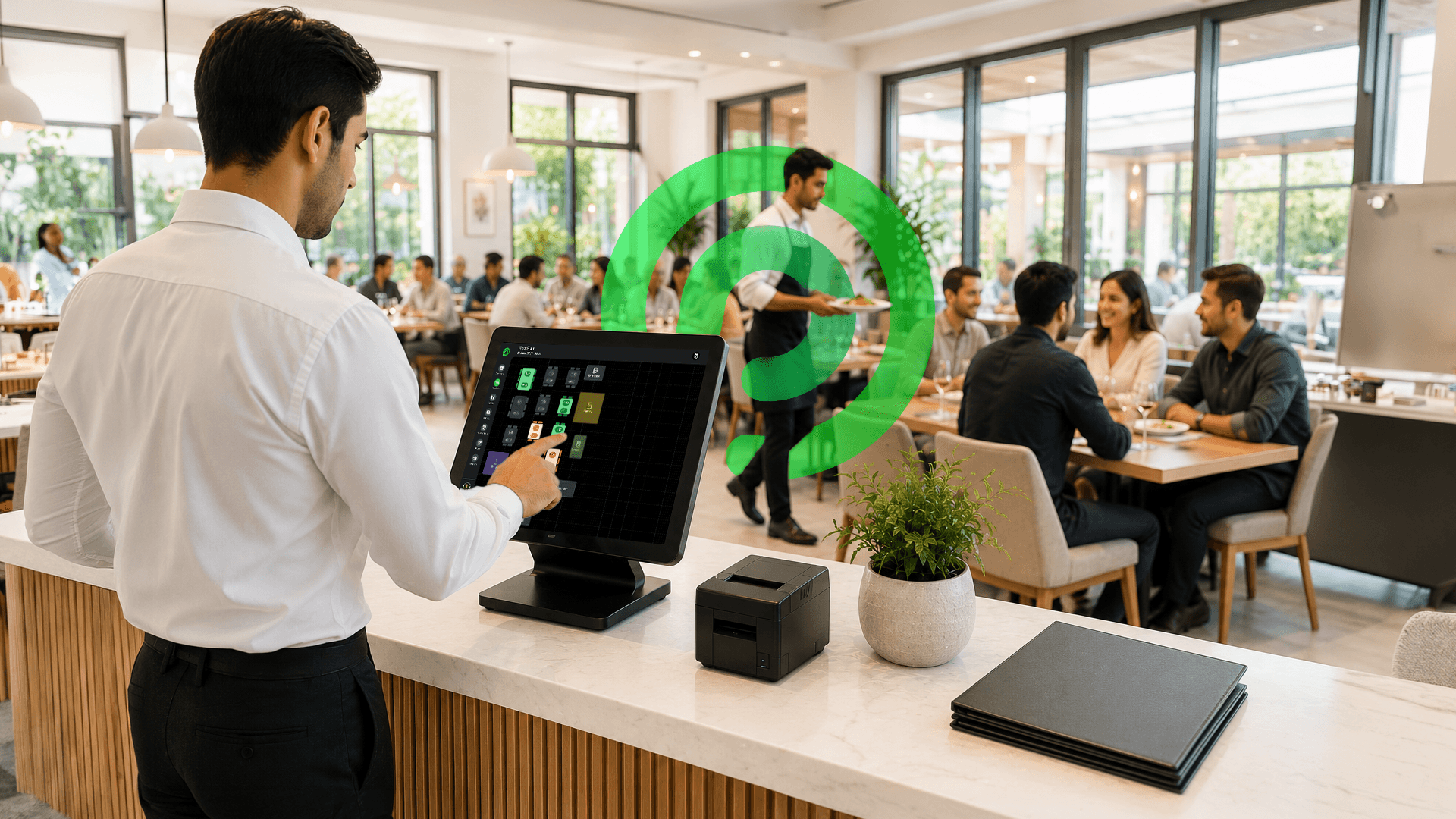
Imagine asking a group of musicians to perform without a conductor.
The drummer starts early, the guitarist misses a cue, and the singer is waiting for everyone else to catch up.
That is exactly what a restaurant kitchen can feel like when orders, menus, and staff are not working from the same system.
One outdated menu, one missed ticket, and suddenly the entire service starts falling apart.
The thing is, running a restaurant today is not just about taking orders.
You are updating menu items, marking dishes as sold out, sending orders to the kitchen, coordinating between servers and chefs, and making sure every plate reaches the right table, all at the same time.
And let us be real, trying to manage all of that with paper tickets, verbal updates, or manual menu changes during a busy dinner rush is a nightmare, right?
That is why a menu management system and a Kitchen Display System have become essential. One keeps your menus accurate and updated in real time, while the other makes sure every order reaches the right kitchen station instantly.
Together, they keep your front-of-house and back-of-house perfectly in sync, helping your team work faster, make fewer mistakes, and deliver a smoother dining experience.
In this guide, we will break down how the POS feature, menu management system, and a Kitchen Display System for restaurants work together, and why they are two of the most important systems every modern restaurant should have.
What is a Kitchen Display System & how does it work?
Have you ever had a cook misread a handwritten ticket and send out a medium-rare steak to the table that ordered well-done?
That is one of the biggest problems with traditional paper tickets. A Kitchen Display System (KDS) solves that problem by replacing paper tickets with digital order screens.
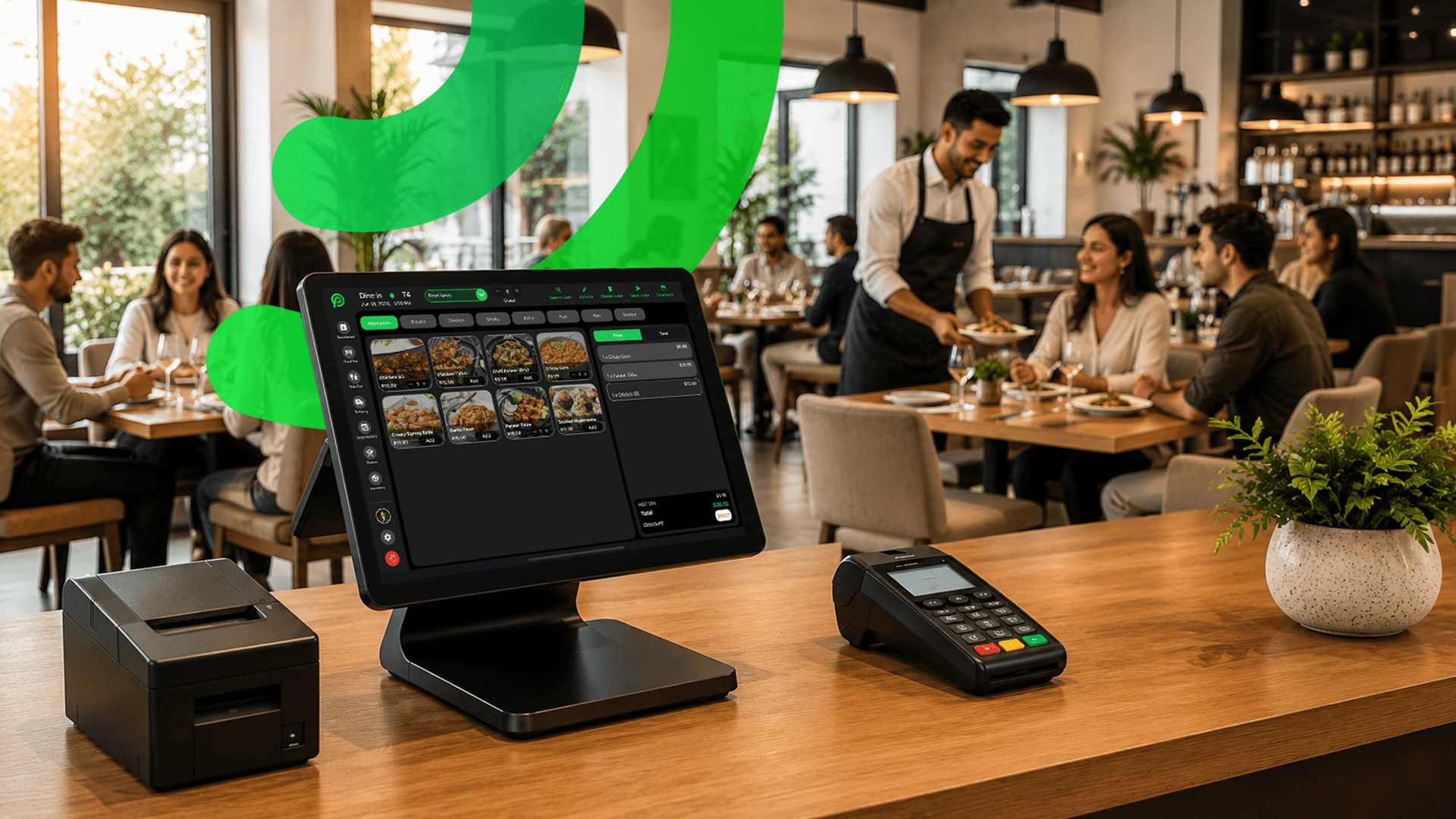
Instead of relying on handwritten notes or printed slips, orders appear instantly on kitchen screens the moment they are entered into the POS.
Without a KDS, things can go wrong fast. Tickets get misplaced, orders end up at the wrong station, and managers have little visibility into what is happening in the kitchen. During a rush, a single missing ticket can create delays that affect multiple tables.
A Kitchen Display System automatically routes orders to the correct preparation stations. Grill items go to the grill station, salads go to the salad station, and desserts go to the dessert station. Everyone sees exactly what they need to prepare, reducing confusion and improving speed.
The best part is that it stays synced with your POS in real time. If a guest modifies an order, adds an item, or requests a substitution, the kitchen sees the update immediately. No running back and forth. No crossed-out tickets.
Many Kitchen Display Systems also include order timers, helping staff prioritize tickets and giving managers a live view of kitchen performance throughout the shift.
At the end of the day, a KDS does not just make the kitchen paperless. It helps the entire restaurant stay organized, accurate, and faster when things get busy.
What is Menu Management & how does it help restaurants?
How many times have you realized an item was sold out only after someone ordered it?
It is one of those small restaurant problems that creates a surprisingly big headache. The server has to go back to the table, apologize, explain the situation, and ask the guest to choose something else. Nobody enjoys that conversation.
Without proper menu management, these situations happen more often than they should. A dish sells out, but the host does not know. The online menu still shows it as available. Delivery apps keep accepting orders for it. By the time everyone gets the message, you have already disappointed a few customers.
The same thing happens with price changes. Someone updates the POS but forgets the online menu. Or the website gets updated while a delivery platform still shows old prices. Suddenly, you are dealing with confusion, pricing errors, and unnecessary refunds.
A modern menu management system solves this by putting your entire menu in one place. If an item is sold out, you can mark it unavailable once, and the change is reflected everywhere. If prices need to be updated, you make the change once instead of logging into multiple systems.
The biggest advantage is real-time synchronization across all channels. Whether a customer is ordering at your restaurant, through your online ordering system, or from a delivery app, they are seeing the same menu, the same prices, and the same item availability.
That means fewer awkward apologies, fewer order cancellations, and fewer last-minute surprises during a busy service.
Because let us be honest, your team should be spending time serving guests, not chasing down menu updates across five different platforms.
How do they work in sync?
A Kitchen Display System and Menu Management are powerful on their own. Together, they are what keeps your kitchen running smoothly.
Think of it this way: Menu Management decides what customers can order, while the KDS tells the kitchen what needs to be cooked.
If an item is marked as sold out in your menu, it disappears from ordering channels before a customer can order it. And if an order is placed, the KDS instantly sends it to the right kitchen station for preparation.
One system controls availability. The other controls execution.
When they work together, you get fewer order mistakes, fewer disappointed customers, and a kitchen that is always working from accurate information.
That is the difference between reacting to problems and preventing them in the first place.
Why Your POS Must Have These Features
By now, you probably understand these are not just flashy features software companies put on a pricing page.
Menu Management and a Kitchen Display System for restaurants solve problems your team deals with every single shift. They keep menus updated, send orders to the right kitchen station instantly, reduce miscommunication, and help service run much more smoothly.
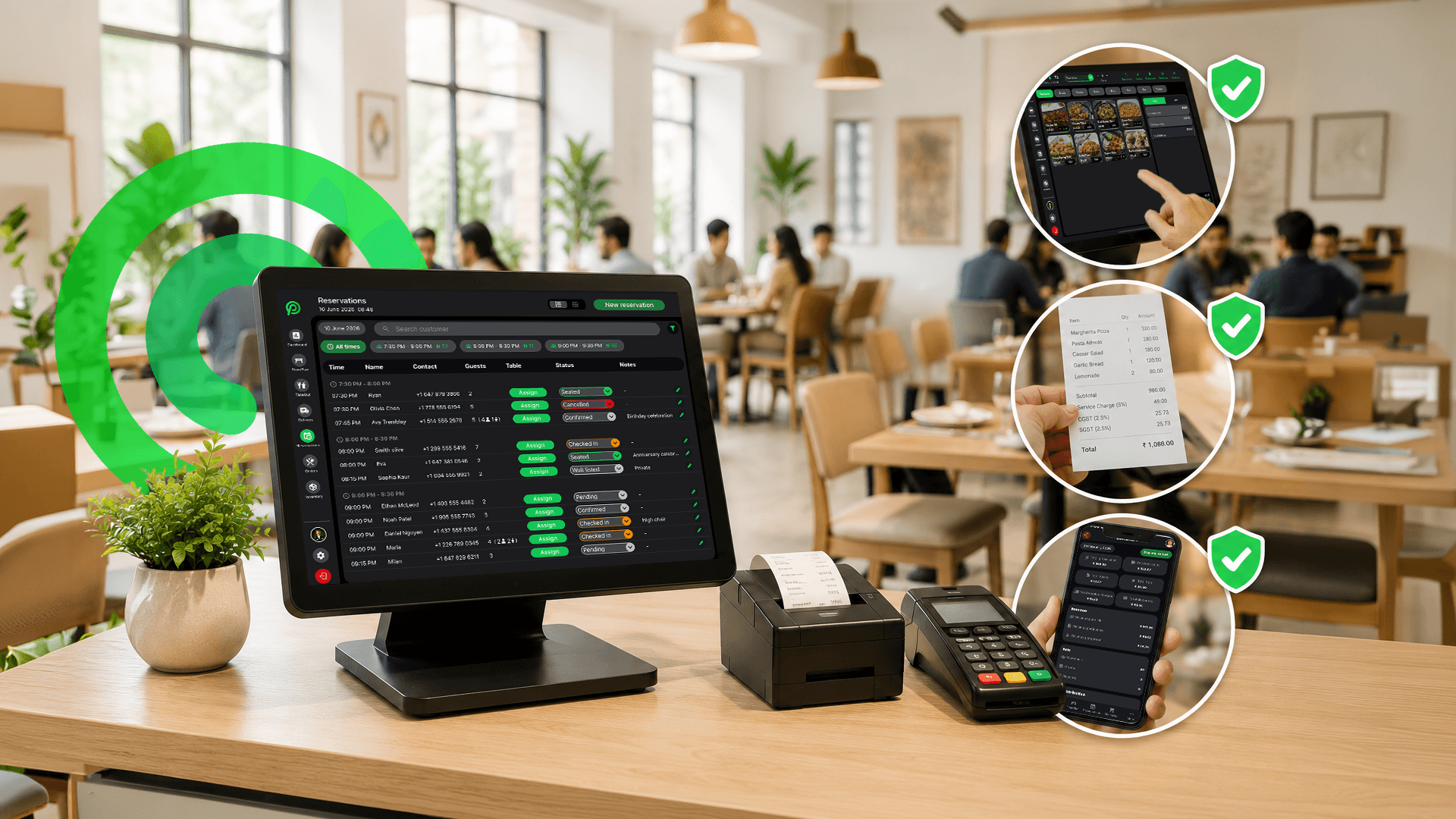
Platter brings everything together, from Menu Management and Kitchen Display System to inventory, online ordering, reporting, and payments, in one cloud-based platform built specifically for restaurants.
Want to see how it would work in your own restaurant? Book a demo, and we will show you how Platter can simplify your workflow and keep your kitchen running in sync.

Ready to simplify?
See Platter in action
30-min demo. No commitment. See exactly how it fits your restaurant.
Book a Demo