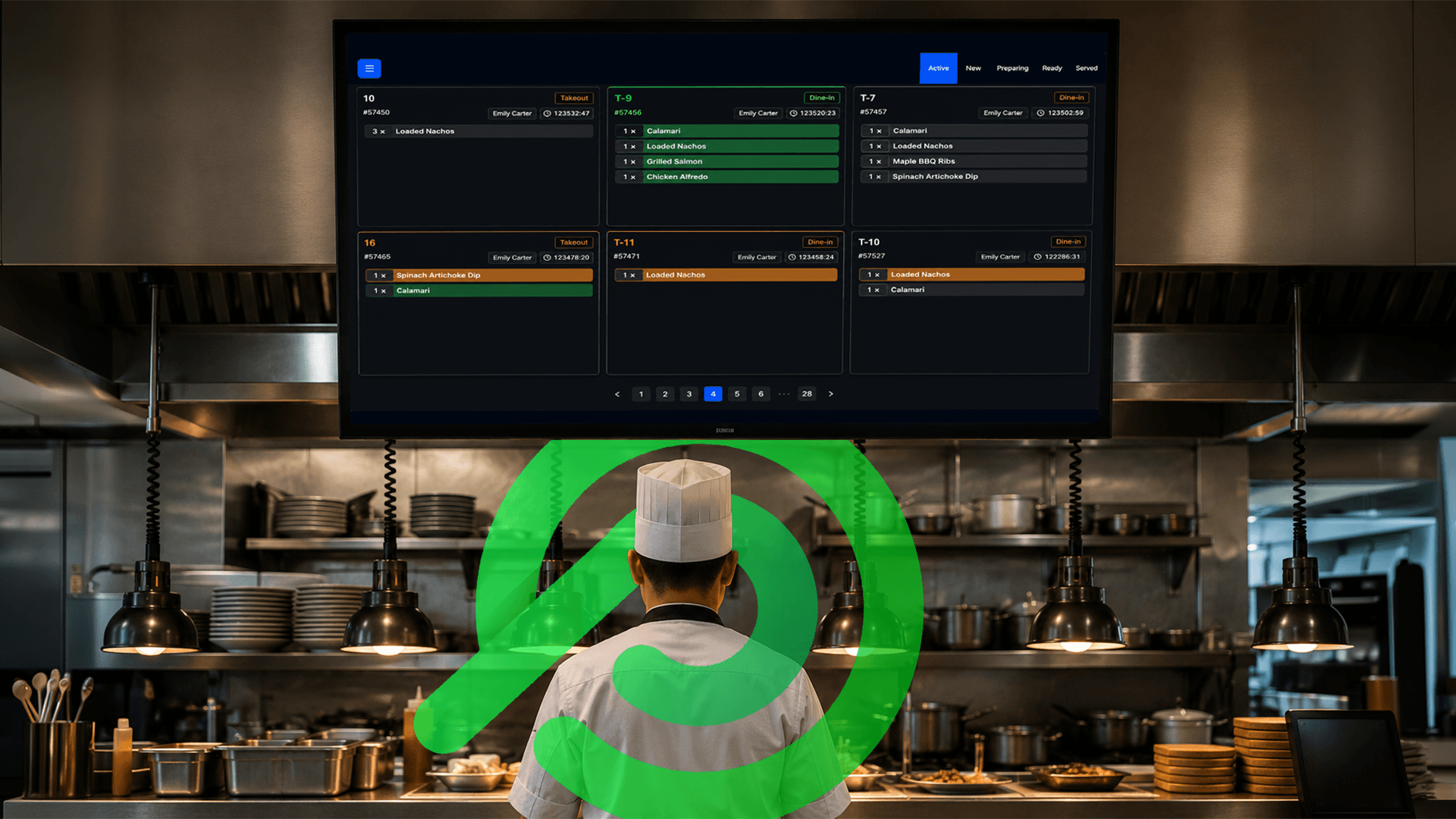
From the dining room, everything looks under control.
Guests are eating, servers are smiling, and tables are full.
But behind the scenes? A table gets double-booked. A reservation is missed. One group wants to split the bill six ways. A server is looking for an order that never reached the kitchen. Suddenly, your team is spending more time fixing problems than serving guests.
Sound familiar?
The truth is, restaurant floor management does not become stressful because your staff is not working hard enough. It becomes stressful when they are working without the right system.
You do not always need more employees or another training session. You need POS features that work together to keep reservations, tables, orders, bills, and staff in sync from the moment guests walk in until they pay and leave.
In this guide, we will break down the POS features that make restaurant floor management effortless, explain how each one solves a real problem on the floor, and show why they matter during your busiest shifts.
Why Restaurant Floor Management Breaks Down in the First Place
Here is the uncomfortable truth: most restaurants are still managing their floor the old way.
A paper reservation book at the host stand. Servers shout table updates across the kitchen pass. Bills scribbled on notepads and recalculated three times at checkout.
And that disconnect has a real cost. Tables sit dirty longer than they should because nobody updated the floor plan. A walk-in gets turned away because a reserved table looks occupied on paper, but is not. A guest waits 10 minutes at checkout while someone hunts for a calculator to split the bill.
Small failures, sure, but they stack up fast, and guests notice before your staff does.
Slower table turns. Missed covers. Reviews that mention "disorganized service" even when the food was great.
This is what happens when restaurant floor management runs on guesswork and disconnected tools. A good POS should be handling all of this automatically, in one place, in real time.
Restaurant POS Features That Solve Those Problems
Now, let us look at five POS features that solve common restaurant floor management problems and help every shift run more smoothly.
1. Order Management
Ever had a server come back to the kitchen asking, "Can we change this order?"
These small changes happen every day, but without the right system, they quickly slow down service.
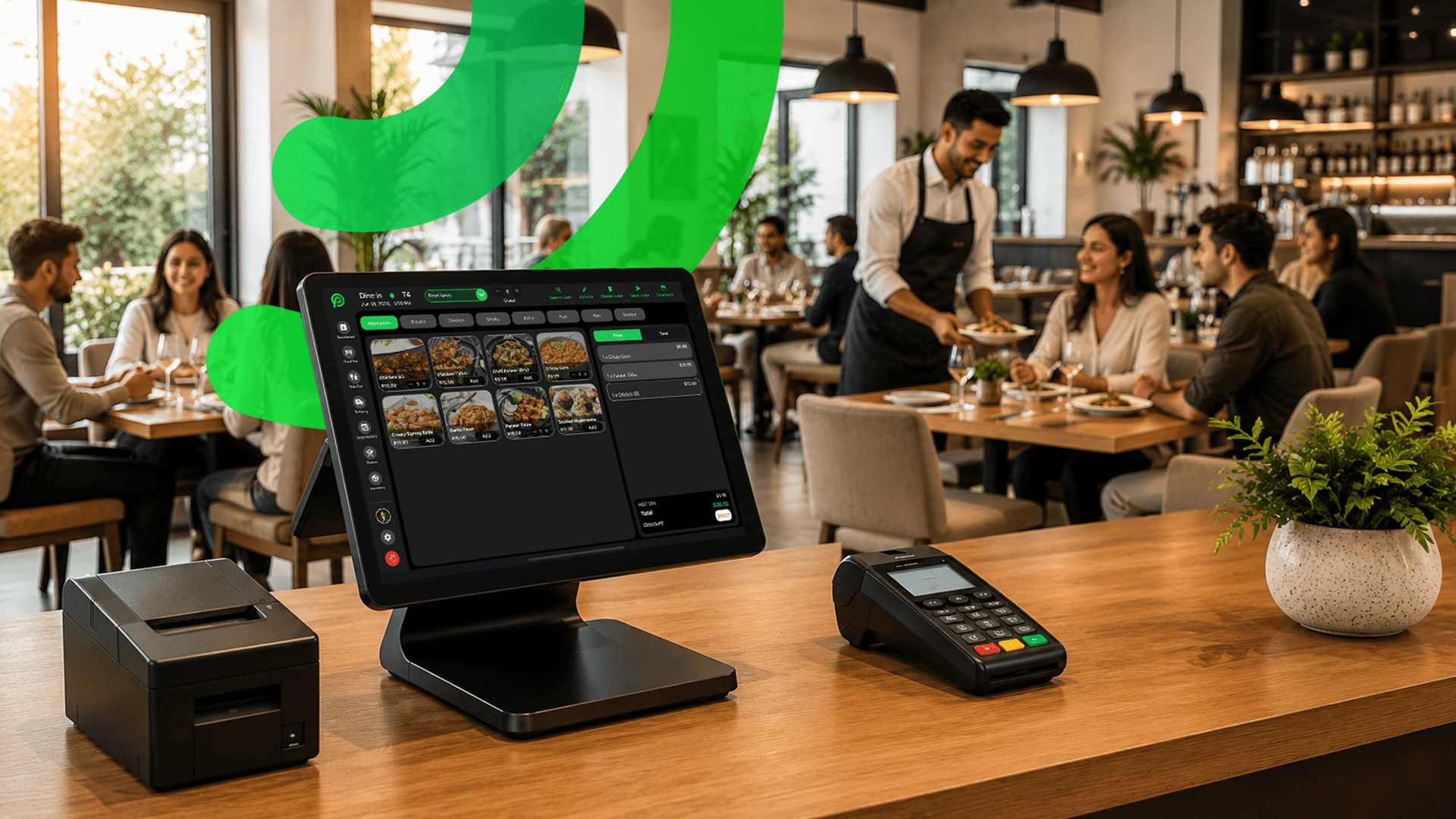
That is where order management makes a big difference in restaurant floor management. Your staff can create a new order or add items to an existing one in just a few taps, then send it straight to the kitchen without confusion.
If a guest changes their mind, you can easily add items, remove them, or adjust quantities anytime during service.
You can also see the status of every order in real time, so everyone knows whether it is being prepared or ready to serve. And if guests move to another table or join a different group, simply transfer the order without losing any details.
With Platter, every order stays accurate from the moment it is placed until it is served. That means fewer mistakes, faster service, and a smoother experience for both your staff and your guests.
2. Table Management
Ever had a large group walk in and ask, "Can we all sit together?" Or guests decide to switch tables after they have already ordered?
These things happen every day, and without the right system, they can quickly create confusion.
A good table management system keeps your restaurant floor organized and makes restaurant floor management much easier. As soon as guests are seated, it starts tracking how long the table has been occupied. When they leave, you can clear the table in seconds and seat the next guests without any guesswork.
If more people join the table, you can update the guest count instantly. Need to move guests to another table or merge two tables for a bigger party? You can do it in just a few clicks, and the order moves with them.
You will also see which tables are occupied and which are ready for new guests in real time. That means faster table turnover, shorter wait times, and a smoother service for everyone.
With Platter, your staff always knows what is happening on the floor, so they spend less time figuring things out and more time taking care of your guests.
3. Floor Plan Management
When your restaurant gets busy, it becomes difficult to keep track of which tables are free, reserved, or occupied. Without a clear view, mistakes happen and guests may end up waiting longer than necessary.
A digital floor plan gives your team a clear view of the entire restaurant and improves restaurant floor management, even during the busiest shifts.
With Platter, you can create a layout that matches your real restaurant, including tables, the kitchen, pantry, entrance, and waiting area.
You can also arrange tables in different shapes and sizes, add more chairs when needed, and update the layout anytime. Best of all, you can instantly see which tables are occupied, reserved, or ready for new guests.
Instead of guessing what is happening on the floor, your staff always knows where to seat guests next. That means faster seating, smoother service, and fewer mistakes during busy hours.
4. Reservation Management
Still writing reservations in a notebook or on sticky notes? It might work on a slow day, but during a busy service, it is easy to miss a booking, double-book a table, or lose track of who is arriving next.
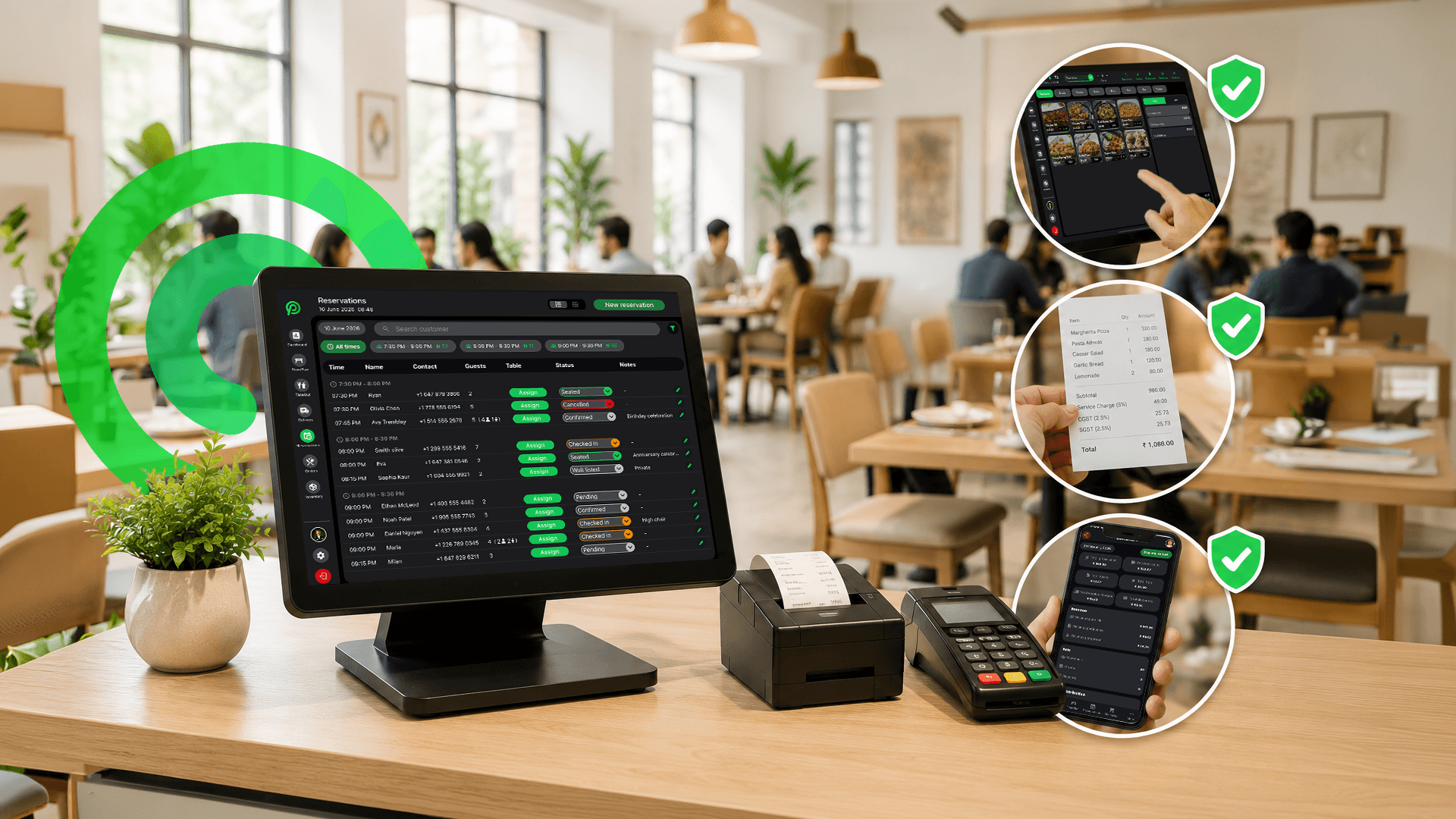
A digital reservation system keeps everything in one place. With Platter, every new reservation is saved automatically and appears on your floor plan in real time. Your team can instantly see which tables are reserved and which are still available.
When guests arrive, simply update their reservation with one click. The floor plan updates right away, so everyone knows which tables are occupied and which are ready for the next guests.
No paper. No missed reservations. Just an organized floor that helps your team seat guests faster, avoid last-minute confusion and improve restaurant floor management every shift.
5. Split Bill
Almost every restaurant has heard this before: "Can we split the bill?" That is easy to say, but without the right system, it can take several minutes to calculate who owes what.
A split bill feature makes checkout quick and simple. With Platter, you can split the bill equally, by item, by seat, or in any custom way your guests prefer. There is no manual math and no confusion.
Your staff can finish the checkout in seconds, even for large groups. Guests get a smooth payment experience, and your team can move on to serving the next table instead of spending time doing calculations.
A faster checkout means shorter wait times, happier guests, and quicker table turnover, especially during your busiest hours.
How These Features Work Together (Not in Isolation)
Many restaurant owners choose a POS because of one feature, like reservations or billing. But that is not how a great POS is meant to work.
The real value comes when all the features work together. A reservation updates your floor plan. The floor plan shows which tables are available. Orders are linked to the right table. If guests move, the order moves with them. When it is time to pay, the bill is already connected and can be split in seconds.
Without a connected system, your team spends time fixing mistakes. With everything connected, everyone sees the same updates in real time, making restaurant floor management smoother from seating to checkout.
That is why the best restaurant POS is not just a collection of features. It is one system where every feature works together to keep your restaurant running smoothly.
Conclusion
A busy restaurant does not need more chaos, it needs a better system. Most floor problems are not caused by your staff. They happen when reservations, tables, orders, and payments are not connected.
The right POS features help your team work faster, reduce mistakes, turn tables quicker, and give every guest a better experience. Small improvements during service can make a big difference by the end of the day.
If you are looking for an easier way to manage your restaurant floor, explore Platter's restaurant floor management features and see how they can help your team run every shift more smoothly.

Ready to simplify?
See Platter in action
30-min demo. No commitment. See exactly how it fits your restaurant.
Book a Demo